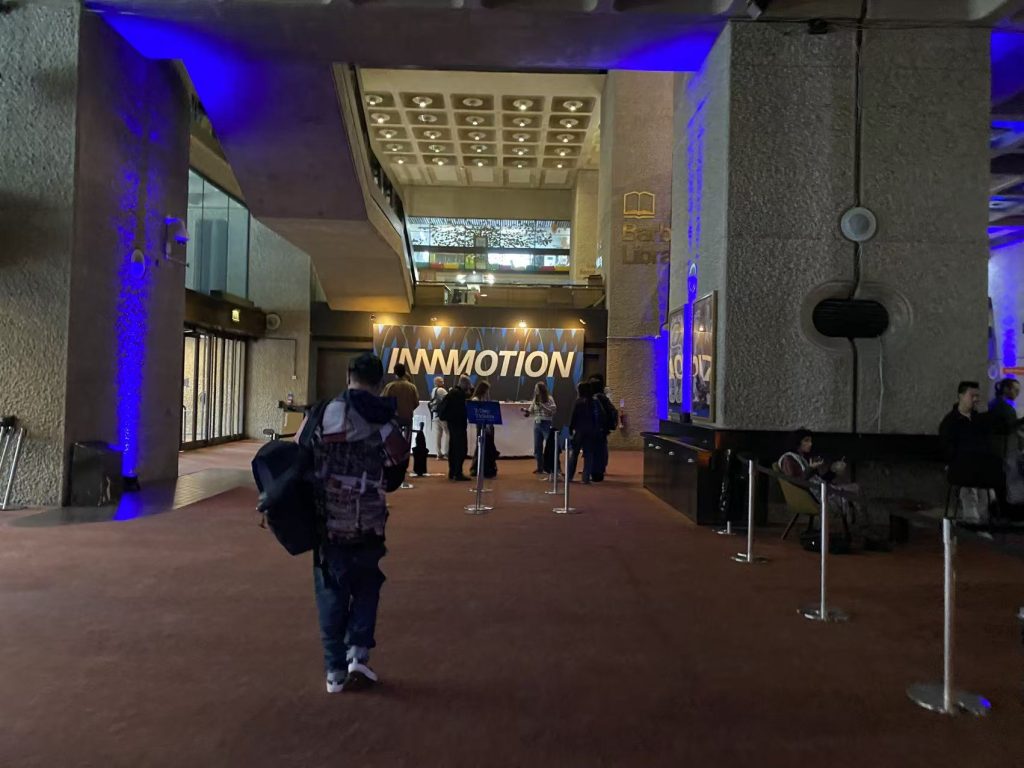
In order to enhance my professional cognition of the animation industry and broaden my horizons, I attended the Playgrounds In Motion Festival in October 10th this year. The festival was vibrant, diverse, and packed with creators whose works constantly push the boundaries of storytelling. Among all the sessions I attended, a few stood out and left a deep impression on me both as an animator and as a student still shaping my creative identity.
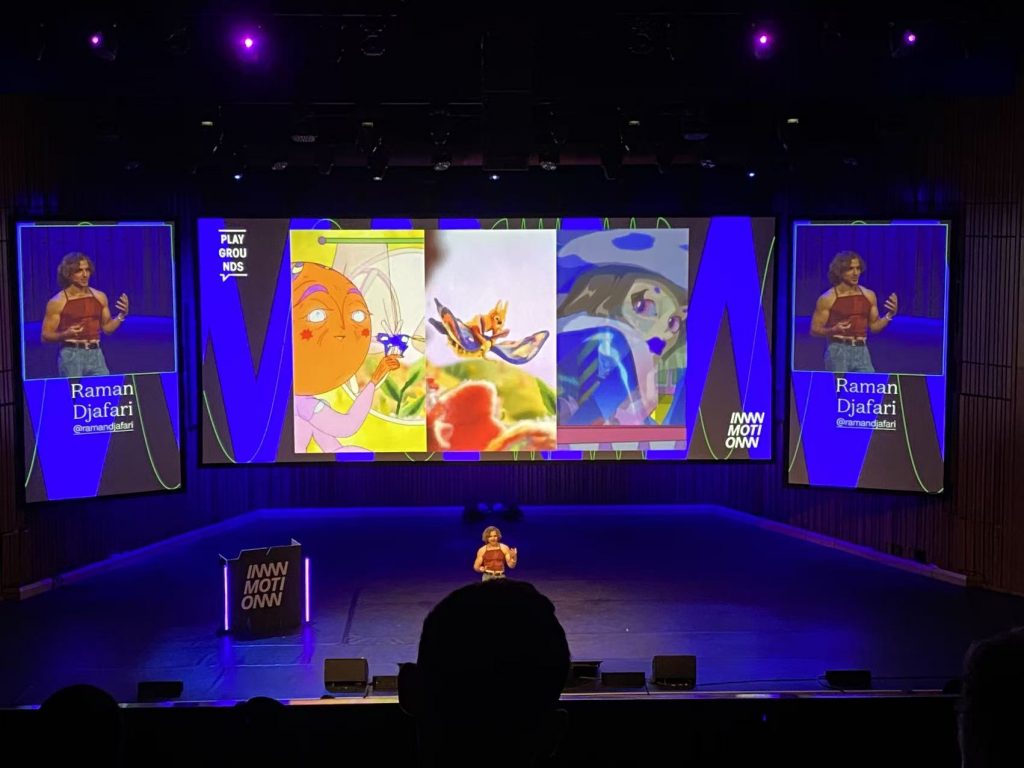
One of the most inspiring talks came from Raman Djafari, whose multidisciplinary approach blends surrealism, music, and emotional intensity. Hearing him break down his process helped me understand that visual abstraction can coexist with strong character-driven storytelling. His openness about artistic uncertainty also made me feel less alone about my own perfectionism—he emphasized that ambiguity is not a weakness but a space where creativity grows. This made me reflect on my tendency to over-control my work and reminded me that sometimes letting the piece “breathe” can lead to unexpected discoveries.
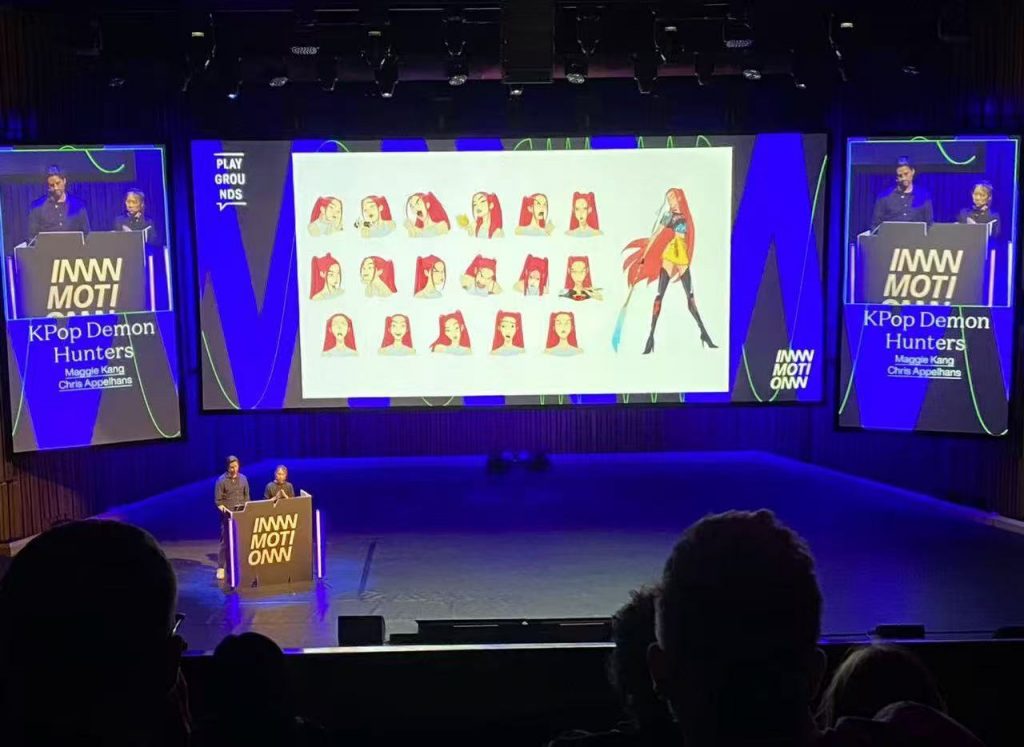
Another highlight was the session on KPop Demon Hunters, which revealed the massive teamwork behind high-energy, stylish animation. Their pipeline was surprisingly flexible, allowing interplay between choreography, narrative beats, and VFX early in production. As someone who often worries about being “efficient enough,” I found it refreshing to see how iteration and experimentation were built into a professional workflow rather than treated as mistakes.
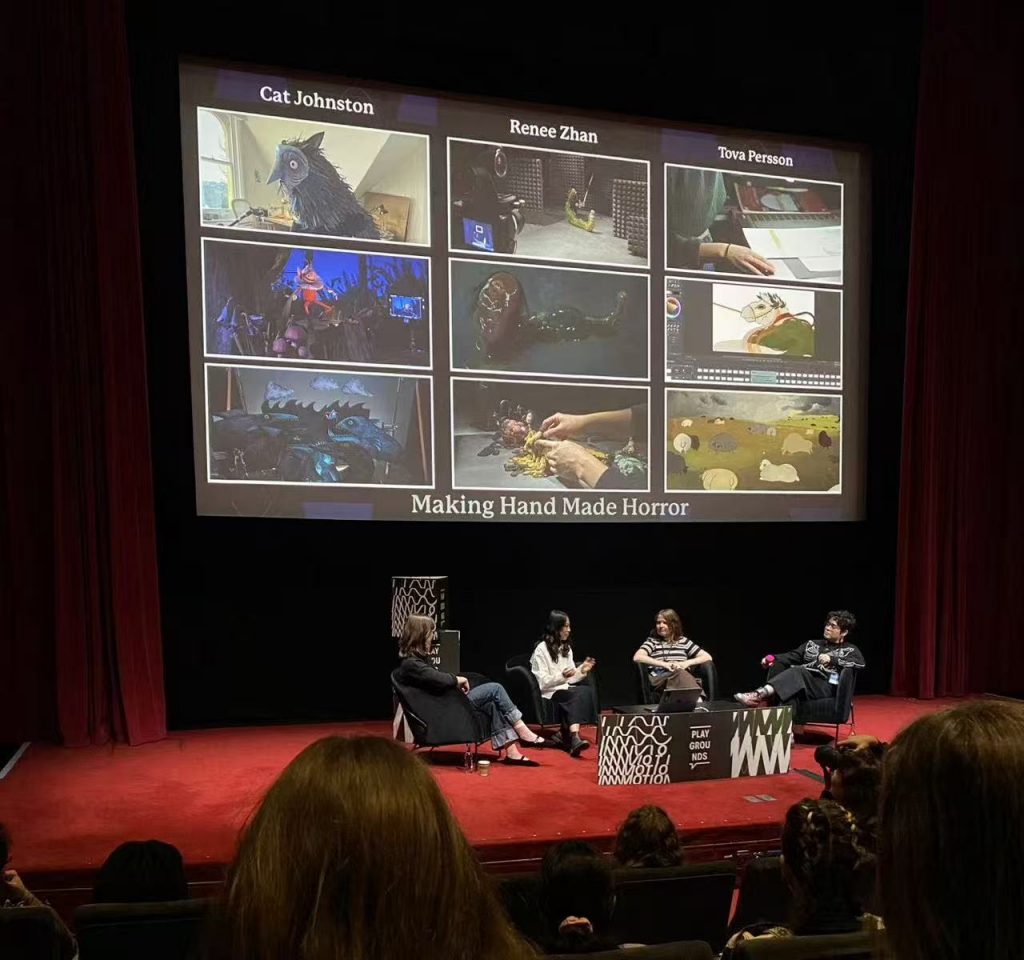
The festival also showcased several horror-themed shorts, each using different techniques—sound design, rhythm, framing—to create fear. Watching them made me realize how much animation can manipulate atmosphere in ways live action cannot. It gave me new ideas for my own dark-humor and horror-related projects, especially how subtle timing or texture shifts can trigger emotional reactions without relying on graphic visuals.
Outside the screenings, I had the chance to visit Nexus Studios, where I gained a clearer understanding of how industry-level creative pipelines operate. Seeing their collaborative environment and the diversity of work they produce—from commercials to experimental shorts—helped me rethink my career path. It made me aware that I don’t necessarily have to limit myself to a single style or medium as a animation director.
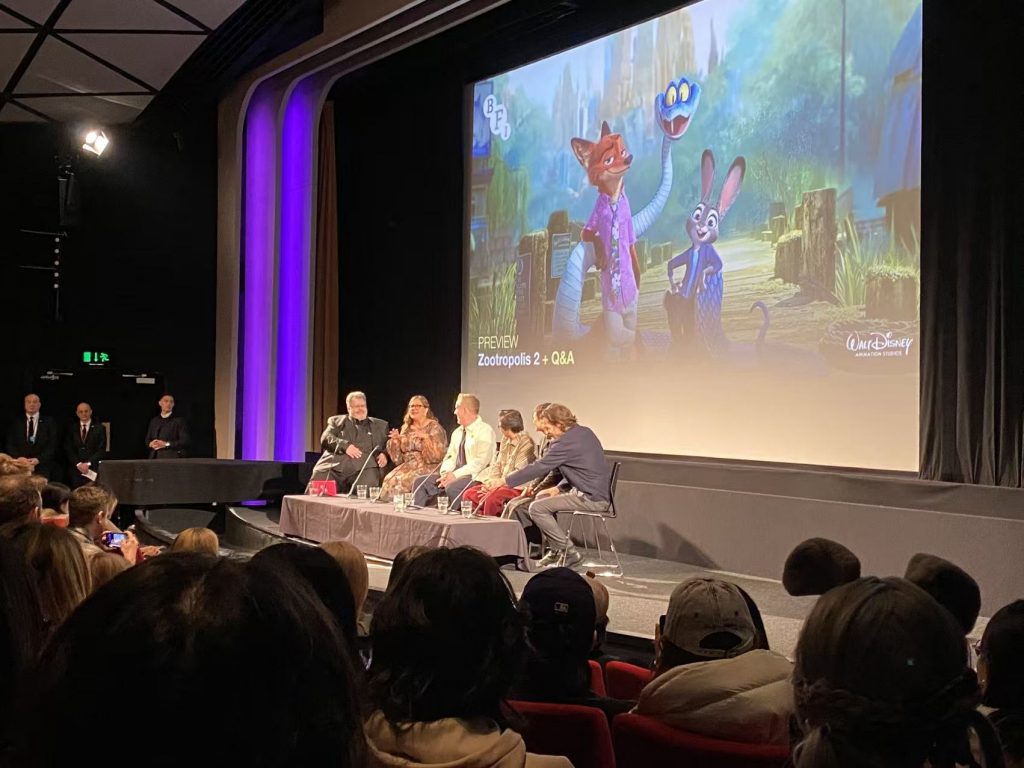
And finally, attending the Zootopia 2 premiere was simply joyful—a reminder of the excitement that animation can bring to audiences of all ages.
Overall, these experiences encouraged me to rethink my relationship with perfectionism. I came away feeling more open to experimentation and more forgiving of the messy parts of the creative process. Instead of controlling every detail, I want to allow myself to explore, fail, and grow—because that’s ultimately where animation truly comes alive. Looking ahead, I hope to work in commercial studios such as The Walt Disney Studios, Pixar Studios, and Nexus Studio, ideally as a character designer or animation director, where I can continue developing my storytelling skills within professional, collaborative environments.