Through my animation studies, I have developed both technical and conceptual understanding of visual storytelling. Over time, however, I began to reflect on how these tools might extend beyond fictional narrative into broader cultural contexts. My exposure to digital heritage practices further strengthened this interest, particularly in how technologies such as 3D scanning, virtual reconstruction, and interactive media are used to preserve and present historical artefacts. This made me realise that cultural heritage is not only preserved through documentation, but also through interpretation and experience.
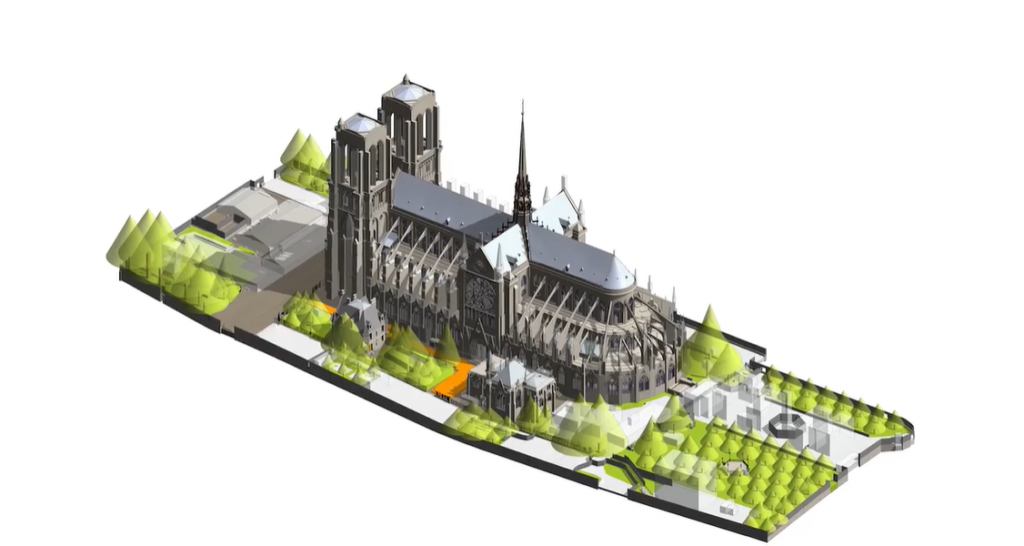
As I explored the field further, I became aware that digital heritage practices internationally often focus on two main directions: digital reconstruction and immersive presentation. For example, large-scale reconstruction projects such as Autodesk’s digital modelling of Notre-Dame Cathedral demonstrate how BIM and 3D technologies can be used to preserve architectural heritage in digital form. In addition, immersive archaeological projects such as those developed in Wessex Archaeology research labs use VR and game engines to recreate historical environments, allowing participants to experience reconstructed spaces through interactive engagement. These examples show how audiences can move from passive observation to active participation in digital heritage contexts.
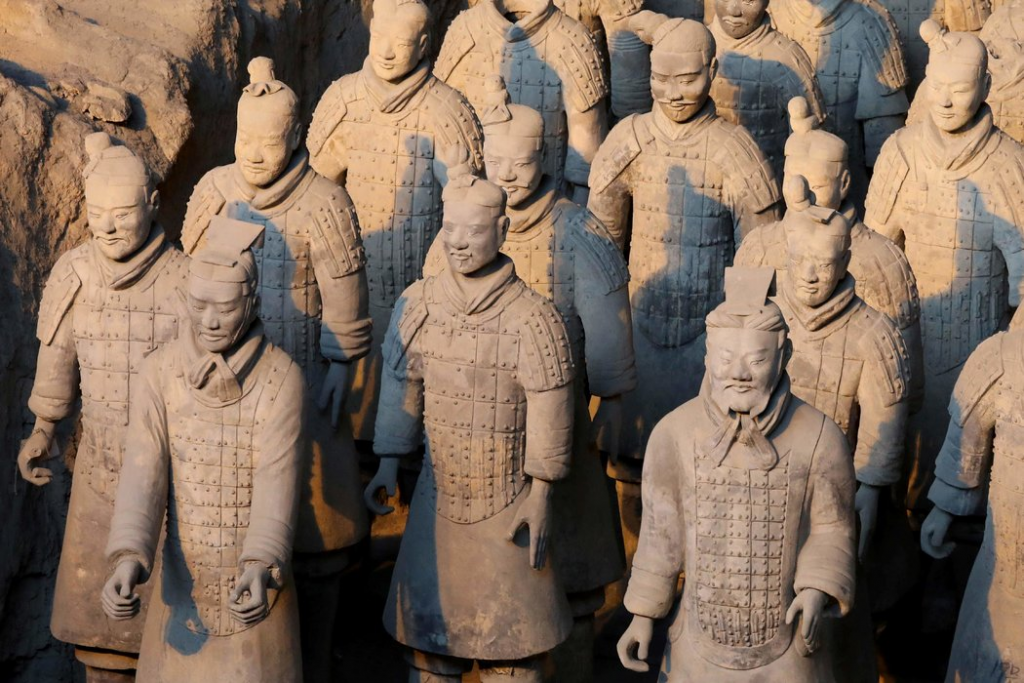
In comparison, many digital heritage projects in China tend to emphasise technical reconstruction and visual accuracy, while paying less attention to narrative and emotional engagement. For instance, recent AI-assisted reconstruction work on the Terracotta Warriors focuses strongly on high-precision 3D scanning and structural restoration, as well as VR/AR-based visualisation systems. Although these projects are highly valuable in terms of preservation accuracy, they often provide limited narrative framing for audience interpretation. This gap led me to consider how animation language—particularly its use of pacing, characterisation, and visual narrative—might contribute to more engaging forms of cultural communication.
This reflection became more concrete when I began to consider the Terracotta Warriors as a potential focus for exploration. Rather than viewing them only as archaeological objects, I became interested in how they might be reinterpreted through narrative perspectives, such as the imagined viewpoint of a craftsman involved in their creation. This approach suggests a shift from passive observation towards a more embodied form of engagement, where audiences can experience cultural heritage through immersive and narrative-driven environments.
Alongside this developing interest, my experience in animation practice—particularly in directing and collaborative projects—has helped me understand how visual storytelling operates in structured production contexts. These experiences have provided me with a foundation for thinking about how creative practice can intersect with cultural interpretation and communication.
Overall, this evolving perspective has led me to consider further academic exploration in the field of digital cultural heritage. I am particularly interested in how animation and immersive media might contribute to more engaging and accessible forms of cultural representation, and how these approaches could help bridge the gap between historical knowledge and contemporary audiences.
Reference
https://www.enr.com/videos?bctid=6365805548112
Cultural Heritage Animation Projects: Your 101 Full Guide!
Bronze Age Roundhouse Virtual Reality Experience | Our Work | Wessex Archaeology
Artec 3D scanners used for historical preservation at the site of China’s | Artec 3D Scanners News