As the graduation approaches, I gradually began to rethink animation’s role beyond mere entertainment. While my early projects focused primarily on visual experimentation and storytelling, my postgraduate experience prompted me to think more deeply about how animation conveys culture, memory, and identity. In this process, I became increasingly interested in the relationship between animation practice and cultural heritage research.
Initially, I focused on enhancing my technical and creative skills. However, over time, I realized that animation could serve broader social and cultural purposes. My studies in the UK exposed me to a diverse arts environment that encouraged interdisciplinary thinking. I began to consider how animation could be used to preserve cultural memory, visualize history, and make cultural heritage more accessible to contemporary audiences. This idea was particularly significant to me due to my own cultural background. I grew up in Xi’an, a city deeply intertwined with Chinese history and cultural heritage, surrounded by historical buildings, traditional culture, and historical stories. These experiences influenced my visual imagination and creative interests even before I fully realized their importance.
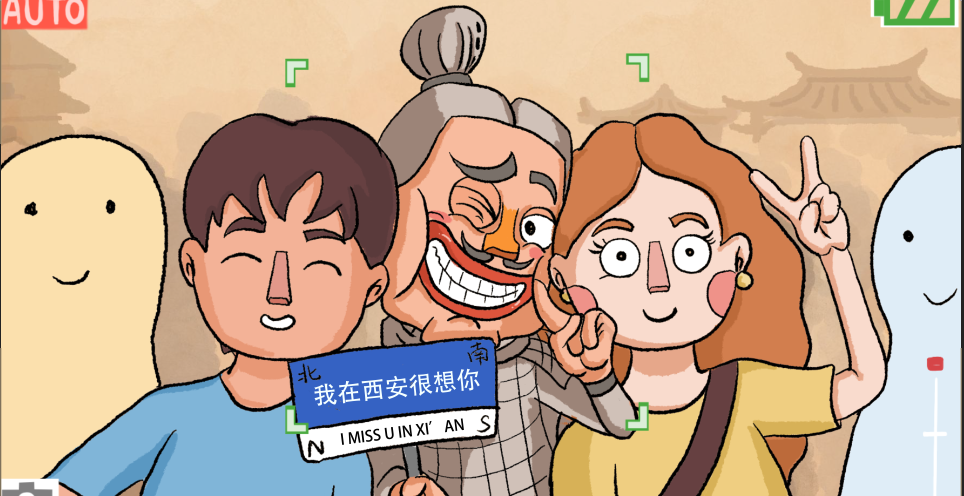
One project that particularly exemplified this connection was a lip-sync exercise in my first year of postgraduate studies. The topic I chose was “If my city could speak,” and I creatively designed the image of the Terracotta Warriors from Xi’an. This experience personified historical and cultural symbols and presented them through humor and dialogue. It made me realize that animation can build emotional connections between audiences and cultural themes in ways that traditional academic exchanges sometimes cannot. So I began to consider how digital storytelling and animation media could help younger generations engage with cultural heritage in a more interactive and imaginative way.
My professional experience also fostered this shift in perspective. Directing trailers for the London International Animation Festival helped me improve my communication, collaboration, and project management skills in an international creative environment. These experiences showed me how artistic practice can function within professional and public contexts.
After careful consideration and weighing various factors, I will continue along this interdisciplinary path after graduation, pursuing a PhD in Cultural Heritage Conservation in my hometown of Xi’an. My long-term goal is to combine animation, digital media, and cultural studies to create works that disseminate cultural heritage in an engaging and creative way to let audience be resonated with. I hope my future practice can serve as a bridge between contemporary visual culture and historical memory.