During my studies at MACA in CSM, I gradually realized that my primary interest in animation lay not only in technical production but also in directing and visual storytelling. Initially, I focused on learning software such as Blender and Tv Paint, concentrating on drawing, modeling, and the animation workflow. However, through participation in multiple projects and collaborations, I increasingly understood that technical skills are most valuable when they serve emotion, narrative, and audience interaction. This shift has led me to position myself primarily as a director rather than an animator, focusing on how narrative structure is constructed through visual decision-making and technical execution.
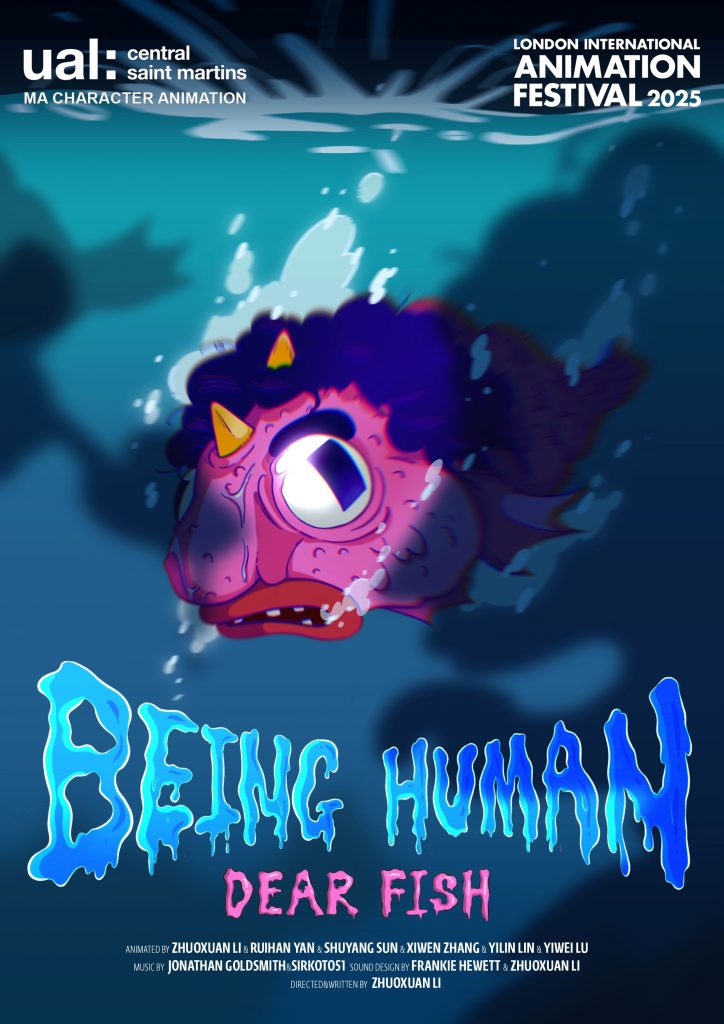
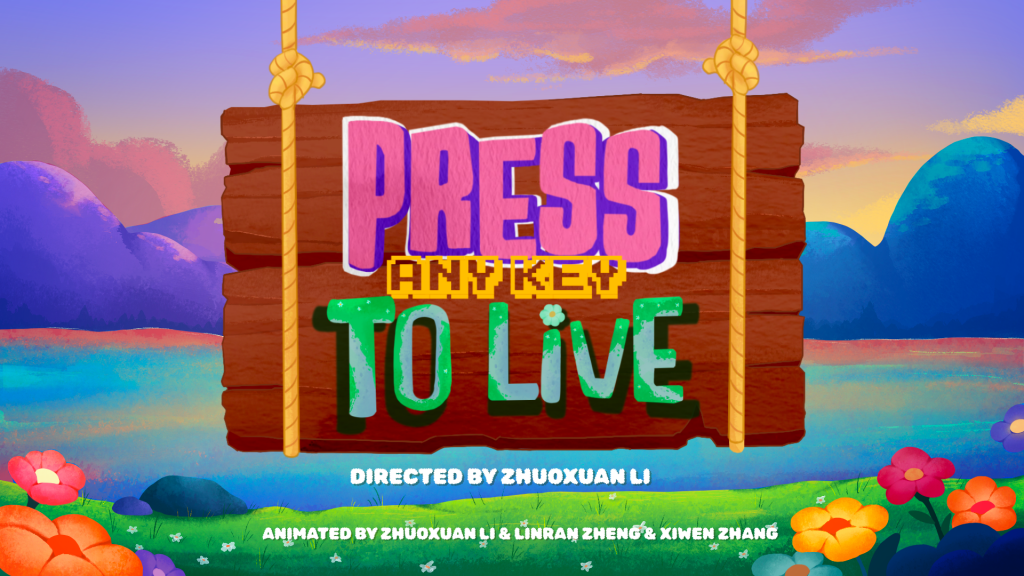
The most important experiences during my postgraduate studies was directing a trailer for the London International Animation Festival and directing my graduation film. This opportunity allowed me to enhance my directing and communication skills in a professional environment. As a director, I was responsible not only for visual development and storyboarding but also for coordinating with composers, voice actors, and team members. In this process, I realized the crucial importance of rhythm, timing, and visual cadence in creating engaging animation. I also gained greater confidence in expressing my ideas and became better able to lead collaborative projects.
I am particularly drawn to humorous and metaphorical narrative styles, using witty stories to reflect and satirize social realities, creating immersive and memorable experiences for the audience. For example, my LIAF directorial project profoundly explored humanity and desire through the story of eating fish. Another project focused on the protagonist’s gradual realization, while pursuing their goals, that the meaning of life lies not in the outcome, but in the present moment. These works allowed me to experiment with exaggeration, distortion, and visual humor, while simultaneously exploring rich and sensitive emotions. Through these projects, I realized my love for creating narrative works that blend humor, psychological tension, and social observation.
At the same time, I also reflected on my weakness. Due to perfectionism, I often spent too much time polishing details, which affected creative efficiency. However, in a collaborative environment, I learned to balance artistic pursuits with practical deadlines. I learned to manage my time more effectively and communicate more openly with others during the creative process.
Realizing this shift has made my next steps much clearer. Moving forward, I want to work as an independent director, creating meaningful animation which can let audience resonated with. I’m also looking back at my LIAF experience to organize the production pipeline I used, making it a guide for how to manage larger teams and tight deadlines in the future. But besides making fictional films, I’ve also been thinking about where these storytelling tools can go next. This curiosity is exactly what’s pushing me toward my next creative chapter, where I want to see how my directorial voice can connect with broader cultural research.